
-

Sarah Langan recommends 6 women-centric horror books
Feature The horror novelist recommends works by Stephen King, Gillian Flynn, and more
Feature -
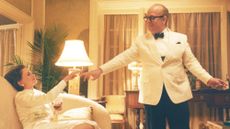
The true story of Feud: Capote vs. The Swans
In depth The writer's fall from grace with his high-flying socialite friends in 1960s Manhattan is captured in a new Disney+ series
In depth -
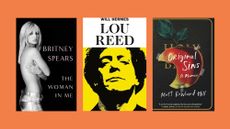
Best memoirs and biographies to read in 2024
The Week Recommends Dive into some of the most compelling life stories – from David Bowie to Keir Starmer
The Week Recommends -
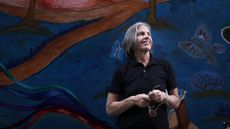
6 queer poets to read whenever but especially now
The Week Recommends April is National Poetry Month
The Week Recommends -

Amanda Montell's 6 favorite books that will expand your knowledge
Feature The linguist recommends works by Mary Roach, Alice Carrière, and more
Feature -
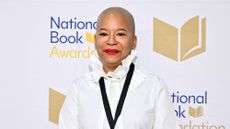
Christina Sharpe, the influential author and intellectual who sees America as it is
The Explainer Sharpe reshapes words and concepts to better know Blackness and the United States
The Explainer -
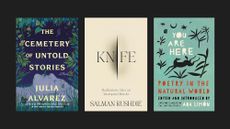
5 illuminating books to read in April
the week recommends A poetry collection curated by the U.S. Poet Laureate, another adult novel from Julia Alvarez and more
the week recommends -

Rowan Beaird recommends 6 compelling books from the 1950s
Feature The author recommends works by Patricia Highsmith, Shirley Jackson, and more
Feature -

Five books to help sort out your personal finances
The Week Recommends April is a good time to review your financial health
The Week Recommends -

How 'Star Wars' ripped off 'Dune'
Under the Radar Quite a few people believe that George Lucas ripped off Frank Herbert's sci-fi universe. So does Herbert himself.
Under the Radar -

Stephen Graham Jones' 6 scary books with deeper meanings
Feature The best-selling author recommends works by Stephen King, Sara Gran, and more
Feature -
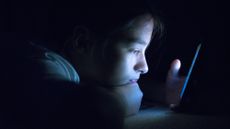
The Anxious Generation: US psychologist Jonathan Haidt's 'urgent and essential' new book
The Week Recommends Haidt calls out 'the Great Rewiring of Childhood' phenomenon
The Week Recommends -

Keith O'Brien's 6 must-read books about significant moments in sports history
Feature The best-selling author recommends works by Laura Hillenbrand, Jonathan Eig and more
Feature -

A Very Private School: a 'moving, if sadly familiar' story from Charles Spencer
The Week Recommends Memoir of the privately educated boarder makes for 'horrific reading'
The Week Recommends


