
-

Controversy is brewing over a lawsuit involving Hermès' luxury bags
Talking Points The lawsuit alleges the company only sells bags to people with a 'sufficient purchase history'
Talking Points -

Empty-nest boomers aren't selling their big homes
Speed Read Most Americans 60 and older do not intend to move, according to a recent survey
Speed Read -
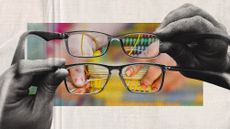
Reading glasses could be an economic boost to people in low-income countries
Under the Radar A recent study found that providing glasses can significantly raise a person's earning power
Under the Radar -
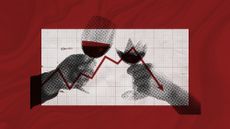
The wine industry is getting pressed as young people drink less
Under the Radar The once-dominating drink is not aging well
Under the Radar -

Brazil accuses Musk of 'disinformation campaign'
Speed Read A Brazilian Supreme Court judge has opened an inquiry into Elon Musk and X
Speed Read -

The largest insurance company payouts
In The Spotlight Fights over insurance have been in the spotlight following the collapse of the Francis Scott Key Bridge in Baltimore
In The Spotlight -

Disney board fends off Peltz infiltration bid
Speed Read Disney CEO Bob Iger has defeated activist investor Nelson Peltz in a contentious proxy battle
Speed Read -
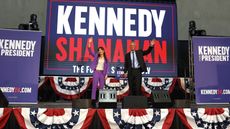
What RFK Jr.'s running mate pick says about his candidacy
Talking Points Robert F. Kennedy Jr.'s' running mate brings money and pro-abortion-rights cred to his longshot presidential bid
Talking Points -
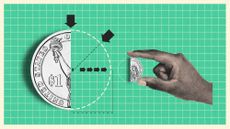
Why are dollar stores a microcosm for America's shrinkflation problem?
Today's Big Question Recent reports have tapped dollar stores as the top offenders of shrinkflation — even beyond grocery stores
Today's Big Question -

Disney and DeSantis reach detente
Speed Read The Florida governor and Disney settle a yearslong litigation over control of the tourism district
Speed Read -
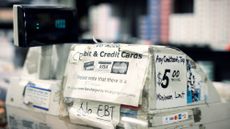
Visa and Mastercard agree to lower swipe fees
Speed Read The companies will cap the fees they charge businesses when customers use their credit cards
Speed Read -
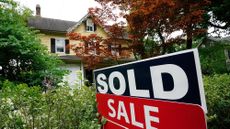
How the Realtors' commission settlement could upend the housing industry
The Explainer Home sellers and buyers stand to benefit from the end of the 6% commission
The Explainer -

Reddit IPO values social media site at $6.4 billion
Speed Read The company makes its public debut on the New York Stock Exchange
Speed Read -

Securonomics: what is Rachel Reeves' economic plan and will it work?
The Explainer Focus on economic security and the resilience of industry in an uncertain world is 'key to growth', say Labour
The Explainer


