
Fifteen years after he painted his face blue-and-white and wore a kilt for Braveheart, Mel Gibson has admitted his movie depicted a highly romanticised version of William Wallace. Gibson, who directed and starred in the historical romp, told reporters in Edinburgh that the Scottish folk hero was really a "monster" and a "berserker".
The stirring film seems to have been loathed and adored by Scots in equal measure since it was released in 1995. Its rabble-rousing sentiment and jingoistic portrayal of the English as cowardly and effeminate quickly made it a focus for nationalist sentiment, while its historical inaccuracies and simplistic morality led many to dismiss it as Hollywood schmaltz.
Subscribe to The Week
Escape your echo chamber. Get the facts behind the news, plus analysis from multiple perspectives.

Sign up for The Week's Free Newsletters
From our morning news briefing to a weekly Good News Newsletter, get the best of The Week delivered directly to your inbox.
From our morning news briefing to a weekly Good News Newsletter, get the best of The Week delivered directly to your inbox.
Create an account with the same email registered to your subscription to unlock access.


-
 Home Office worker accused of spiking mistress’s drink with abortion drug
Speed Read Darren Burke had failed to convince his girlfriend to terminate pregnancy
-
 In hock to Moscow: exploring Germany’s woeful energy policy
Speed Read Don’t expect Berlin to wean itself off Russian gas any time soon
-
 Were Covid restrictions dropped too soon?
Speed Read ‘Living with Covid’ is already proving problematic – just look at the travel chaos this week
-
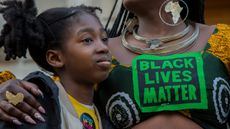 Inclusive Britain: a new strategy for tackling racism in the UK
Speed Read Government has revealed action plan setting out 74 steps that ministers will take
-
 Sandy Hook families vs. Remington: a small victory over the gunmakers
Speed Read Last week the families settled a lawsuit for $73m against the manufacturer
-
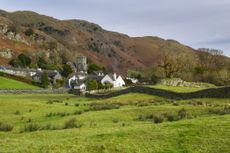 Farmers vs. walkers: the battle over ‘Britain’s green and pleasant land’
Speed Read Updated Countryside Code tells farmers: ‘be nice, say hello, share the space’
-
 Motherhood: why are we putting it off?
Speed Read Stats show around 50% of women in England and Wales now don’t have children by 30
-
 Tonga’s tsunami: the aid effort turns political
Speed Read Efforts to help Tonga’s 105,000 residents have been beset by problems


