
-

5 ways to help the environment while on vacation
The Week Recommends An afternoon of planting trees could be the best part of your trip
The Week Recommends -
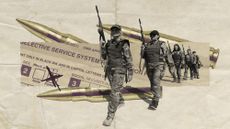
The issue of women and conscription
Under the radar Ukraine military adviser hints at widening draft to women, as other countries weigh defence options amid global insecurity
Under the radar -

How the EU undermines its climate goals with animal farming subsidies
Under the radar Bloc's agricultural policy incentivises carbon-intensive animal farming over growing crops, despite aims to be carbon-neutral
Under the radar -

Best night trains in Europe
The Week Recommends Growing in popularity, sleepers offer the perfect combination of travel and accommodation in one
The Week Recommends -

6 fabulous hotels to visit in April
The Week Recommends Stay at a zoo in Sydney, or meet vortex hunters in Sedona
The Week Recommends -
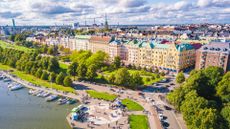
How happy is Finland really?
Today's Big Question Nordic nation tops global happiness survey for seventh year in a row with 'focus on contentment over joy'
Today's Big Question -

Ukraine's unconventional approach to reconstruction
Under the radar Digitally savvy nation uses popular app to file compensation claims, access funds and rebuild destroyed homes
Under the radar -

Germany's transportation industry grinds to a halt as workers strike
The Explainer The country's railways and airports are both at a standstill as union members walk off the job
The Explainer -

'Putting party above country ultimately damages both'
Instant Opinion Opinion, comment and editorials of the day
Instant Opinion -

'Stop treating the Europeans as helpless little children'
Instant Opinion Opinion, comment and editorials of the day
Instant Opinion -
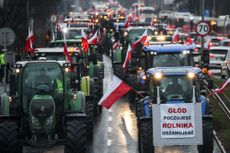
'Trade spats are a sign of how the costs of a long war are only now sinking in'
Instant Opinion Opinion, comment and editorials of the day
Instant Opinion -

How will Finland's new president shape its relationship with NATO?
Today's Big Question The country's new head of state has said there needs to be a 'more European NATO'
Today's Big Question -
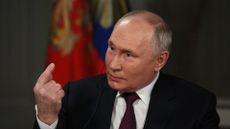
When Tucker met Vladimir: did we learn anything about Putin's thinking?
Today's Big Question Kremlin leader accused Boris Johnson of sabotaging Ukraine peace deal, insisted Russian defeat was impossible but denied plan to expand war into 'global conflict'
Today's Big Question -
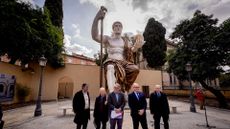
Rome's Colossus of Constantine
Why everyone's talking about British artist digitally reconstructs original from remaining fragments to create new statue of Roman emperor
Why everyone's talking about


