
In the wake of the international panic caused by the Detroit underpants bomber on Christmas Day, Gordon Brown has come out with a range of new security measures. A 'no-fly' list is to be established, all flights between Britain and Yemen are cancelled forthwith, and terrorist movements will be "seamlessly tracked and disrupted". Finally, the introduction of full body scanners will begin at British airports next week.These measures will no doubt lessen the risk. But do they go far enough?
Potential airline passengers might like to know which national airline was recently named by the magazine Global Traveler as the world's most secure; which airline is so confident of the security procedures at its main hub airport that it still permits passengers to board with bottles and tubes of liquid brought from home; and which airline uses racial profiling. The answer of course is El Al, the Hebrew phrase meaning 'To The Skies', which flew its inaugural flight in September 1948 and since the 1972 massacre at Ben Gurion airport near Tel Aviv in which 26 people were murdered, has suffered no successful attacks. Almost all attempts which did take place were carried out on foreign soil (the 1976 Entebbe hijacking was the work of terrorists who boarded the El Al plane with their weapons during a stopover in Athens.) As a non-Jew who flew it regularly during the 11 years I was based in Jerusalem as a foreign correspondent, I can vouch that this record is all the more impressive and all the more in need of copying by less rigorously guarded airlines in Europe, America and Asia because it is the most theoretically juicy target for Arab and Muslim terrorists anywhere on the globe. Yet, such is the effectiveness of its various deterrents seen and unseen that the actual attempts against its fleet of nearly 40 aircraft on nearly 50 cargo and passenger routes are minimal. In addition to its shameless pro-Jewish racial profiling, which involves widely different treatment for different types of passenger and individual questioning of passengers by Israeli staff (often women) trained in psychological techniques and unafraid to ask the most intrusive details of the passenger's recent movements and intentions, there are also many less obvious precautions that are constantly being modified. Up-to-the-minute specifications of the types of weapons and explosives likely to be employed by suicide bombers and other terrorists is provided by the Israel Defence Force's secretive substance laboratory based in a nondescript cluster of prefabricated huts at the Tel Hashomer army base near Tel Aviv. In addition, all El Al terminals around the world are patrolled by plain-clothes agents and fully armed police or military personnel who check for explosives, suspicious behaviour and other threats. No ticket without a sticker from the security interrogators will be accepted and particular note is taken of how and where it was purchased. At passport control, passengers' names are checked against information from the FBI, Canadian Security Intelligence Service, Scotland Yard, Shin Bet, Interpol and French Deuxieme Bureau data bases. All bags are routinely put through a decompression chamber simulating pressure once airborne that could trigger explosives. Once on board, every El Al flight contains at least two, and often more plain-clothes, armed sky marshals, who sit randomly among the passengers.
Subscribe to The Week
Escape your echo chamber. Get the facts behind the news, plus analysis from multiple perspectives.

Sign up for The Week's Free Newsletters
From our morning news briefing to a weekly Good News Newsletter, get the best of The Week delivered directly to your inbox.
From our morning news briefing to a weekly Good News Newsletter, get the best of The Week delivered directly to your inbox.
Create an account with the same email registered to your subscription to unlock access.
-
 Quiz of The Week: 13 - 19 April
Puzzles and Quizzes Have you been paying attention to The Week's news?
-
 'Colleges warn of punishment for disruptions'
Today's Newspapers A roundup of the headlines from the US front pages
-
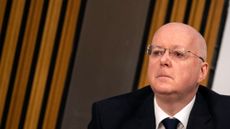 Peter Murrell: Sturgeon's husband charged over SNP 'embezzlement' claims
Speed Read SNP expresses 'shock' as former chief executive rearrested in long-running investigation into claims of mishandled campaign funds


-
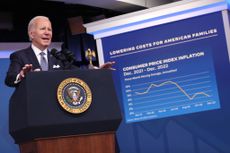 'So much for the triumph over inflation'
Instant Opinion Opinion, comment and editorials of the day
-
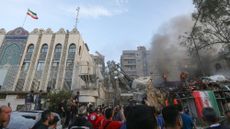 Iran vows revenge after Israel's consulate strike
Speed Read An Israeli strike demolished a consulate in Syria, escalating tensions
-
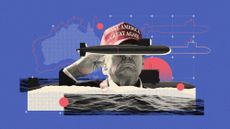 Will Aukus pact survive a second Trump presidency?
Today's Big Question US, UK and Australia seek to expand 'game-changer' defence partnership ahead of Republican's possible return to White House
-
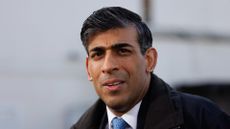 It's the economy, Sunak: has 'Rishession' halted Tory fightback?
Today's Big Question PM's pledge to deliver economic growth is 'in tatters' as stagnation and falling living standards threaten Tory election wipeout
-
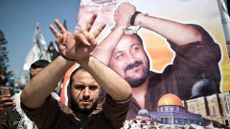 Marwan Barghouti: the Palestinian hostage 'seen as Nelson Mandela'
Why Everyone's Talking About Hamas demands release of popular Fatah leader touted as next Palestinian president
-
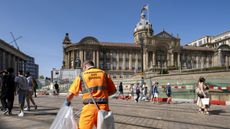 Why your local council may be going bust
The Explainer Across England, local councils are suffering from grave financial problems
-
 Rishi Sunak and the right-wing press: heading for divorce?
Talking Point The Telegraph launches 'assault' on PM just as many Tory MPs are contemplating losing their seats
-
 How would a second Trump presidency affect Britain?
Today's Big Question Re-election of Republican frontrunner could threaten UK security, warns former head of secret service


