
-

Opening Night: musical adaptation of Cassavetes film a 'travesty'
the week recommends An 'unsalvageable' disaster that 'squanders the talents of all involved'
the week recommends -

A Taste of Honey: 'wonderful' revival remains 'vital and relevant'
The Week Recommends The 'period-perfect' production features a 'universally excellent cast'
The Week Recommends -

Harry Clarke: an 'effortlessly engrossing' one-man play
The Week Recommends Billy Crudup is 'hypnotic' but cannot 'paper over the defects'
The Week Recommends -

Nye: a 'rousing' drama about NHS founder Aneurin Bevan
The Week recommends A 'cradle to grave' story starring Michael Sheen that is rich in 'poignant insights'
The Week recommends -
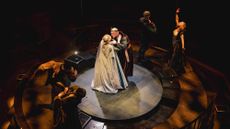
Richard, My Richard: Philippa Gregory's 'nuanced portrait' of Richard III is heavy on the history
Talking Point Women are centre stage but play has 'something of a structural problem'
Talking Point -

Starter for Ten: 'very fun' musical adaptation of One Day author's debut
the week recommends 'Top-notch' cast combined with 'energetic and fun' songs makes for a 'feel-good' show
the week recommends -

An Enemy of the People: a 'blistering, modern-dress production'
The Week Recommends Director Thomas Ostermeier's update of Ibsen's classic is 'shockingly fresh'
The Week Recommends -

The Picture of Dorian Gray: a 'chameleonic tour de force' from Sarah Snook
The Week Recommends Sarah Snook mesmerises in Kip Williams's stage adaptation of Wilde classic
The Week Recommends -

Best of the Bard in 2024: the Shakespeare plays everyone's talking about
The Week Recommends A handful of Shakespeare productions are making headlines in the theatre world and they haven't even opened yet
The Week Recommends -

Till the Stars Come Down: 'an early contender for the best play of the year'
The Week Recommends Bijan Sheibani's blistering comedy about three sisters in Mansfield is like 'Chekhov on Heineken'
The Week Recommends -
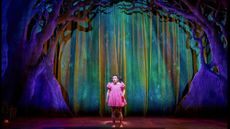
Best family-friendly West End shows
The Week Recommends The pick of theatre aimed at a younger audience, from Frozen to Mrs Doubtfire
The Week Recommends -

Celebrities and global icons who died in 2023
In Depth The world said farewell this year to high-profile people including Tina Turner, Betty Boothroyd and Bobby Charlton
In Depth -

6 touring theater productions to catch this winter
The Week Recommends These shows are unmissable for theater lovers
The Week Recommends -
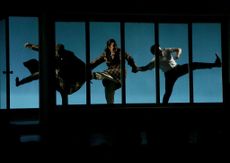
The surprisingly successful world of Broadway musical reboots
The Week Recommends The latest renditions of these classic musicals demonstrate just why they've had such long legs
The Week Recommends


