
IF BRITAIN wants to deport terrorism suspects to countries that carry out torture, it will have to pull out of the United Nations as well as the European Court of Human Rights, the country's top judge has warned.
Lord Neuberger, the president of the supreme court, sounded his warning after Home Secretary Theresa May told the Mail on Sunday she would make the UK's withdrawal from the ECHR part of the Tory manifesto before the general election in 2015. May has been an outspoken critic of the court which has frustrated her efforts to deport the radical Muslim cleric Abu Qatada to Jordan.
Subscribe to The Week
Escape your echo chamber. Get the facts behind the news, plus analysis from multiple perspectives.

Sign up for The Week's Free Newsletters
From our morning news briefing to a weekly Good News Newsletter, get the best of The Week delivered directly to your inbox.
From our morning news briefing to a weekly Good News Newsletter, get the best of The Week delivered directly to your inbox.
Create an account with the same email registered to your subscription to unlock access.
-
 Nigeria's worsening rate of maternal mortality
Under the radar Economic crisis is making hospitals unaffordable, with women increasingly not receiving the care they need
-
 'Elevating Earth Day into a national holiday is not radical — it's practical'
Instant Opinion Opinion, comment and editorials of the day
-
 UAW scores historic win in South at VW plant
Speed Read Volkswagen workers in Tennessee have voted to join the United Auto Workers union


-
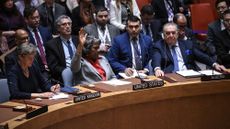 US-Israel rift widens after UN cease-fire resolution
Speed Read The U.S. declined to veto a U.N. resolution calling for a two-week "immediate cease-fire" in Gaza
-
 Will Aukus pact survive a second Trump presidency?
Today's Big Question US, UK and Australia seek to expand 'game-changer' defence partnership ahead of Republican's possible return to White House
-
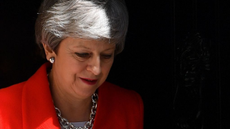 Farewell to Theresa May: a PM consumed by Brexit
Talking Point Maidenhead MP standing down at next general election
-
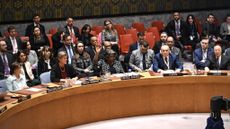 US vetoes Gaza cease-fire resolution at UN
Speed Read America was the only country to vote against the resolution
-
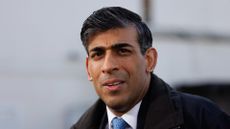 It's the economy, Sunak: has 'Rishession' halted Tory fightback?
Today's Big Question PM's pledge to deliver economic growth is 'in tatters' as stagnation and falling living standards threaten Tory election wipeout
-
 'The world is full of surprises, but not in Venezuela'
Instant Opinion Opinion, comment and editorials of the day
-
 Why your local council may be going bust
The Explainer Across England, local councils are suffering from grave financial problems
-
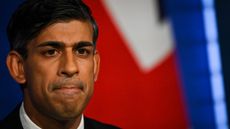 Rishi Sunak and the right-wing press: heading for divorce?
Talking Point The Telegraph launches 'assault' on PM just as many Tory MPs are contemplating losing their seats


