
AMID the jockeying for influence ahead of George Osborne's Budget next week, the future of Britain's overseas aid programme is in the spotlight.
Former cabinet minister Liam Fox and Lib Dem Business Secretary Vince Cable have today called for an end to the ring-fencing of certain budgets, including the NHS, schools and international development.
Subscribe to The Week
Escape your echo chamber. Get the facts behind the news, plus analysis from multiple perspectives.

Sign up for The Week's Free Newsletters
From our morning news briefing to a weekly Good News Newsletter, get the best of The Week delivered directly to your inbox.
From our morning news briefing to a weekly Good News Newsletter, get the best of The Week delivered directly to your inbox.
Create an account with the same email registered to your subscription to unlock access.
-
 Is the Supreme Court about to criminalize homelessness?
Talking Points The court will decide if bans on outdoor camping are 'cruel and unusual'
-
 Fall into the groove at these delightful record stores
The Week Recommends Each one strikes its own chord
-
 How likely are you to get audited by the IRS?
The Explainer The odds are greater for some than others


-
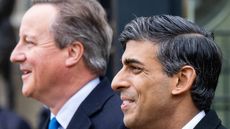 Is David Cameron overshadowing Rishi Sunak?
Talking Point Current PM faces 'thorny dilemma' as predecessor enjoys return to world stage
-
 Will Aukus pact survive a second Trump presidency?
Today's Big Question US, UK and Australia seek to expand 'game-changer' defence partnership ahead of Republican's possible return to White House
-
 Can Cameron put the Falklands sovereignty dispute to bed?
Today's Big Question Foreign secretary says issue 'not up for discussion' ahead of visit amid renewed push from Argentina
-
 It's the economy, Sunak: has 'Rishession' halted Tory fightback?
Today's Big Question PM's pledge to deliver economic growth is 'in tatters' as stagnation and falling living standards threaten Tory election wipeout
-
 Will America recognize a Palestinian state?
Today's Big Question Israeli leader Benjamin Netanyahu opposes the move. Some see it as the only route to peace.
-
 Fasting to burger buffets: the weird and wonderful diets of politicians
Why Everyone's Talking About Rishi Sunak reportedly starts his week with a 36-hour fast
-
 Why your local council may be going bust
The Explainer Across England, local councils are suffering from grave financial problems
-
 Rishi Sunak and the right-wing press: heading for divorce?
Talking Point The Telegraph launches 'assault' on PM just as many Tory MPs are contemplating losing their seats


