
-
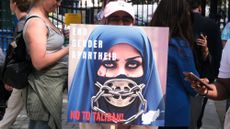
The Taliban's ongoing attack on women's rights
In depth The group has sparked humanitarian concerns
In depth -
'Relying on unelected justices to read rights into the Constitution is dangerous business'
Instant Opinion Opinion, comment and editorials of the day
Instant Opinion -

'An unbreakable plurality of the GOP explicitly wants fascism'
Instant Opinion Opinion, comment and editorials of the day
Instant Opinion -
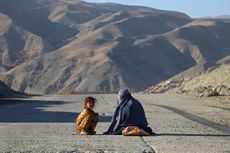
Afghanistan has a growing female suicide problem
Speed Read The Taliban has steadily whittled away women's and girls' rights in Afghanistan over the past 2 years, prompting a surge in depression and suicide
Speed Read -
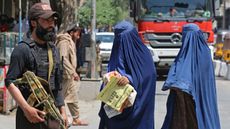
What daily life in Afghanistan looks like after two years under the Taliban
In Pictures The rights of women have been severely impeded as the war-torn nation’s ‘slide into poverty’ continues
In Pictures -
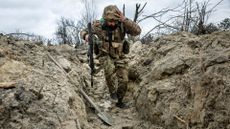
The most dangerous countries in the world
In Depth Ukraine drops down the Global Peace Index as Afghanistan remains at the bottom of the list
In Depth -
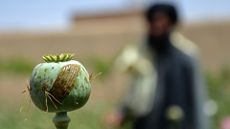
How the global drugs trade is changing
feature ‘Increasingly agile trafficking networks’ are behind 23% rise in global drug users, UN report finds
feature -
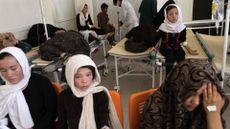
‘We should be scared’: the poisoning of schoolgirls in Afghanistan
feature Children hospitalised in allegedly deliberate mass attacks is latest in series of incidents going back decades
feature -
The Week Unwrapped: Schoolgirl poisonings, accidental DNA and queer history
podcast What is happening in Afghan schools? Could air pollution monitors help to track DNA? And is LGBTQ+ history joining the mainstream?
podcast -
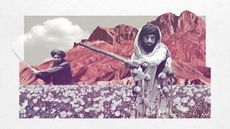
The Taliban’s ‘unprecedented’ crackdown on opium poppy crops in Afghanistan
feature Cultivation in former poppy-growing heartland Helmand has been slashed from 120,000 hectares to less than 1,000
feature -
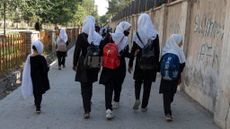
Officials believe dozens of girls in Afghanistan were deliberately poisoned at school
Speed Read
Speed Read -

Taliban kills mastermind of Kabul airport suicide bombing
Speed Read
Speed Read -
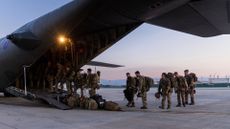
Sudan evacuation: has Foreign Office learnt the lessons from Afghanistan?
Today's Big Question Failings of chaotic withdrawal from Kabul prompt return of foreign secretary and airlift of Britons from Khartoum
Today's Big Question -
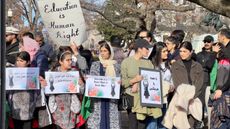
Taliban returns to ‘Stone Age Islamism’ in Afghanistan
feature Taliban leaders view ‘complete gender segregation’ as a recipe for a ‘truly Islamic system’
feature


